A triplex plunger pump may sit at the heart of a high-pressure pumping system, but choosing the right pump involves considerably more than selecting the highest available pressure.
The required operating pressure, flow rate, pump speed, drive arrangement, fluid and duty conditions all influence pump selection.
A pump that performs well in one application may not automatically be the correct choice for another.
For industrial buyers comparing a Triplex Plunger Pump, the best starting point is therefore the application itself.
What Is a Triplex Plunger Pump?
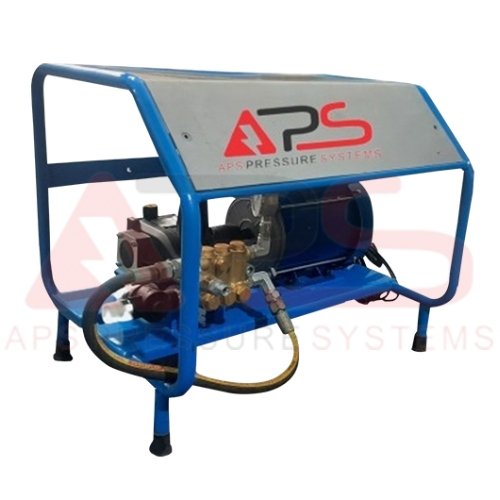
A triplex plunger pump is a reciprocating positive displacement pump that uses three plungers to move fluid through the pumping system.
The reciprocating movement creates suction and discharge cycles, allowing the pump to deliver fluid under pressure.
Triplex configurations are used in applications where controlled flow and high-pressure pumping are required.
Rather than viewing the pump as an isolated component, buyers should consider how it will operate within the complete system.
1. Determine the Required Operating Pressure
Operating pressure is one of the first specifications to establish.
Ask:
What pressure does the application actually require?
Selecting a pump with a very high pressure capability provides little benefit if the process operates at substantially different conditions.
At the same time, the pump needs to be appropriately selected for the intended operating requirements.
Provide the required working pressure when requesting a quotation instead of asking only for the pump’s maximum pressure.
2. Determine the Required Flow Rate
Flow rate is equally important.
It represents the quantity of fluid the pump needs to deliver during operation.
Two applications requiring similar pressure can have completely different flow requirements.
This means:
Pressure alone cannot define the pump.
The manufacturer needs both the required pressure and flow rate to begin identifying a suitable configuration.
For high-pressure water applications, pressure and flow ultimately need to work as a pair rather than competing specifications.
3. Consider Pump Speed and RPM
Pump speed influences operating characteristics and should be considered during system design.
Instead of assuming that higher RPM automatically provides better performance, the pump should operate within the conditions recommended for its design and intended duty.
Pump speed may relate to factors such as:
- Required flow
- Drive arrangement
- Pump configuration
- Operating duty
- System design
RPM should therefore be selected as part of the overall pumping system rather than as an independent specification.
4. Check the Required Power
Generating pressure and flow requires power.
The required drive power depends on the operating conditions and overall system efficiency.
Before selecting a pump, confirm:
- Required operating pressure
- Required flow
- Available power source
- Motor or engine arrangement
- Expected operating duty
A pump and its drive need to be appropriately matched.
Simply installing a larger motor does not replace proper pump-system selection.
5. Consider the Fluid Being Pumped
6. Understand the Duty Requirement
A pump operating for short periods has a different duty profile from equipment expected to operate regularly for longer periods.
When requesting an industrial plunger pump, explain:
How frequently will it operate?
How long is a normal operating cycle?
Will the application involve repeated starts and stops?
What are the expected working conditions?
Duty information helps the manufacturer understand how the pump will actually be used.
7. Consider the Complete High-Pressure System
The pump is only one part of a high-pressure system.
Depending on the application, the complete arrangement may also involve:
- Drive system
- Pressure controls
- Valves
- Hoses or piping
- Filters
- Pressure gauges
- Safety components
- Application-specific accessories
A technically suitable pump can still perform poorly if the surrounding system is incorrectly designed or maintained.
This is why system compatibility should be considered before finalizing the pump.
Where Are Triplex Plunger Pumps Used?
Triplex plunger pumps can form part of various high-pressure systems where their pressure and flow characteristics suit the application.
For example, high-pressure pump technology can support equipment associated with:
- Industrial water jetting
- Pressure testing
- High-pressure cleaning
- Other suitable industrial pumping processes
Buyers looking for complete testing equipment can separately review our Hydro Test Pump range.
For cleaning applications, the complete machine should be selected according to the intended cleaning requirement rather than choosing a bare pump first.
Common Triplex Plunger Pump Selection Mistakes
Selecting by Maximum Pressure Only
A high maximum pressure rating does not tell you whether the flow, speed and power suit your application.
Ignoring Flow Requirement
Pressure and flow should be established together.
Ignoring Operating Duty
A pump should be selected for how it will actually operate.
Not Providing Fluid Information
The pumped medium is an important part of equipment selection.
Treating the Pump as the Entire System
Drive, controls, piping and other system components also influence operation.
Information to Provide When Requesting a Triplex Plunger Pump
Before requesting a quotation, prepare:
- Required operating pressure
- Required flow rate
- Pumped fluid
- Fluid temperature, if relevant
- Available power source
- Expected operating hours
- Required pump speed, if already specified
- Application
- Existing system details, where applicable
Providing these details gives the manufacturer a much stronger basis for discussing a suitable pump.
Triplex Plunger Pump Selection Checklist
Use this simple sequence:
Application → Pressure → Flow → Fluid → RPM → Power → Duty → System Configuration
If several of these parameters are unknown, describe the application and operating conditions rather than guessing.
Choosing a High Pressure Plunger Pump
The correct triplex plunger pump is not necessarily the one with the largest pressure or flow specification.
It is a pump selected around the required pressure, flow rate, fluid, operating speed, drive power and duty conditions of the application.
Starting with these requirements can help industrial buyers narrow down the appropriate configuration and avoid comparing pumps on pressure alone.
Need Help Selecting a Triplex Plunger Pump?
Not sure which pump specification fits your system?
Share your required pressure, flow rate, pumped fluid, operating duty, available power and application details with our team to discuss a suitable pump configuration.

 Users Today : 3
 Users This Month : 12
 Total Users : 13