Hydrostatic testing is commonly used to verify the pressure integrity of equipment and systems designed to contain fluids under pressure.
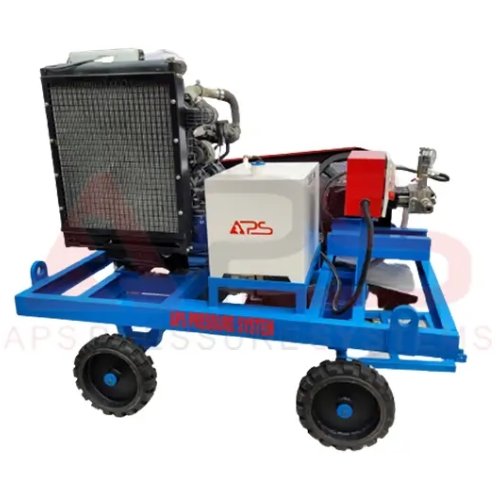
At the centre of this process is the hydro test pump, which is used to generate the required test pressure using a suitable test medium, commonly water.
However, selecting a pump simply because it can produce high pressure is not enough.
The application, required test pressure, system volume, flow requirement, available utilities and testing conditions all need to be considered.
Here are the key factors industrial buyers should evaluate when selecting a Hydro Test Pump.
What Is a Hydro Test Pump?
A hydro test pump is pressure-generating equipment used during hydrostatic testing.
Depending on the application, hydrostatic testing may be carried out on equipment such as:
- Pipelines
- Valves
- Pressure vessels
- Boilers
- Tubes
- Process equipment
- Other pressure-containing systems
The purpose and required test procedure depend on the equipment, applicable specifications and testing requirements.
The pump’s role is to help bring the test system to the required pressure in a controlled manner.
1. Start With the Required Test Pressure
The required pressure is one of the first specifications to establish.
Rather than asking for the highest-pressure pump available, determine the pressure required by your actual testing procedure.
This may depend on factors such as:
Equipment being tested: A pipeline and a valve may have very different requirements.
Design or working pressure: Testing requirements may relate to the system’s design specifications.
Applicable testing procedure: Follow the appropriate engineering standard, specification or approved test procedure for the equipment.
The hydro test pump should then be selected to suit those requirements.
2. Consider the Volume of the Test System
Pressure is important, but buyers should also consider the volume of the equipment being tested.
For example, pressurizing a small component presents a different requirement from filling and testing a large pipeline or vessel.
System volume can affect practical considerations such as:
- Filling requirements
- Pumping time
- Required flow
- Overall testing productivity
This is why two applications requiring a similar final test pressure may still need different pump configurations.
3. Evaluate Pressure and Flow Together
A hydrostatic test pump has to provide pressure, but flow rate also deserves attention.
Flow affects how the test system is filled and brought toward the required testing condition.
Selecting unnecessarily high flow is not automatically beneficial, just as selecting maximum pressure without understanding the application is not ideal.
The required combination should reflect the test pressure, system volume and testing procedure.
When requesting equipment, provide both pressure and flow requirements if they are already specified by your engineering team.
4. Identify What You Need to Test
Different industries use hydro testing equipment for different pressure-containing components.
Common applications can include testing:
Pipelines: Checking pressure integrity of piping systems.
Valves: Pressure testing according to the applicable procedure.
Pressure vessels: Testing vessels designed to operate under internal pressure.
Boilers and process equipment: Testing appropriate pressure-containing sections where hydrostatic testing is specified.
The application should always be communicated clearly when requesting a pump.
A generic request for a “high pressure testing pump” gives the manufacturer far less useful information than stating the component, test pressure and system volume.
5. Check the Available Power Source
The operating location also influences pump selection.
Before ordering equipment, identify the utilities available where testing will take place.
Consider:
- Electrical supply
- Water availability
- Installation location
- Mobility requirement
- Testing frequency
A pump operating permanently inside a manufacturing facility may have different practical requirements from equipment that needs to move between testing locations.
We will cover electric vs engine-driven hydro test pumps separately in a future comparison article rather than consuming that topic here.
6. Consider Pressure Control and Monitoring
7. Think About Mobility
Some buyers need a hydro test pump at a fixed testing station.
Others may need equipment for different locations around a facility or job site.
Before selecting the machine configuration, consider:
- Where will testing normally occur?
- How frequently will the pump be moved?
- Is the available working space restricted?
- How will the equipment reach the test location?
These practical questions can influence the overall configuration.
Don't Select a Hydro Test Pump by Pressure Alone
Suppose two pumps can both achieve the required test pressure.
That does not automatically make them equally suitable.
The final selection can also depend on:
- Required flow
- Test-system volume
- Operating frequency
- Power source
- Mobility
- Controls
- Connection requirements
- Testing environment
A suitable hydro test pump should match the complete pressure-testing requirement, not just the maximum pressure specification.
What Information Should You Give the Manufacturer?
Before requesting a quotation, prepare these details:
- Equipment or system being tested
- Required test pressure
- Required flow, if specified
- Approximate system volume
- Test medium
- Available power supply
- Expected testing frequency
- Mobility requirements
- Any specified testing procedure or equipment requirements
Providing this information makes it easier to identify an appropriate pump configuration.
Hydro Test Pump Selection Checklist
Before finalizing the equipment, verify:
Application → Test Pressure → System Volume → Flow → Power Source → Controls → Mobility
This sequence keeps the selection process focused on the testing requirement instead of a single specification.
Hydro Test Pump and Plunger Pump Technology
High-pressure testing systems can use plunger-pump technology depending on their pressure, flow and system requirements.
Buyers interested in the pumping technology itself can explore our Triplex Plunger Pump range.
However, a complete hydro test system involves more than the pump mechanism alone, so the equipment should be selected according to the intended testing application.
Need a Hydro Test Pump for Your Testing Requirement?
Selecting the correct pump becomes easier when the actual testing parameters are known.
Share your application, required test pressure, flow requirement, system volume, available power and operating conditions with our team to discuss a suitable configuration.