Pipelines designed to operate under pressure may require hydrostatic testing as part of applicable manufacturing, installation, commissioning, maintenance or inspection procedures.
A key part of the setup is selecting suitable pipeline pressure testing equipment.
However, choosing a pump based only on maximum pressure can overlook other important factors.
Pipeline length, internal volume, required test pressure, flow, available utilities and testing location can all influence the equipment configuration.
This guide focuses specifically on what buyers should consider when selecting equipment for hydrostatic pressure testing of pipelines.
What Is Pipeline Hydrostatic Testing?
Hydrostatic testing involves filling an appropriate pressure-containing system with a suitable liquid, commonly water, and pressurizing it according to an approved testing procedure.
For pipelines, the exact test requirements depend on factors such as pipeline design, application and applicable engineering specifications or standards.
The test should therefore be conducted according to the relevant approved procedure rather than using a universal pressure or holding time.
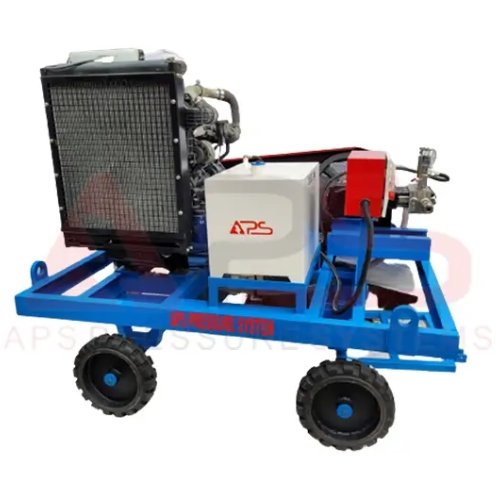
The role of a Hydro Test Pump is to provide the required pressurization capability for the testing setup.
1. Know the Required Test Pressure
Before choosing a pump, determine the test pressure specified for the pipeline.
This is fundamental because the pump needs to operate appropriately for the required testing conditions.
Do not select test pressure simply from:
- Pump maximum pressure
- A generic percentage found online
- Another pipeline project’s specification
- Normal operating pressure alone
The required test pressure should come from the applicable engineering specification, code, standard or approved testing procedure for the particular pipeline.
Once this requirement is established, suitable equipment can be evaluated.
2. Consider Pipeline Volume
Pipeline hydro testing can involve considerably different system volumes.
A short section of relatively small-diameter pipe and a long pipeline network may require the same test pressure but present very different filling and pressurization requirements.
Important variables include:
- Pipeline length
- Internal diameter
- Test-section volume
- Filling arrangement
- Required pressurization time
This is why maximum pump pressure alone does not tell you whether a particular pump configuration is suitable.
3. Consider Pump Flow Rate
Flow rate can influence how quickly the test section is filled and brought toward the required testing condition.
For a larger pipeline volume, the practical flow requirement can become particularly important.
However:
More flow is not automatically better.
The appropriate flow should be considered alongside pipeline volume, test pressure and the approved testing procedure.
When requesting a quotation, provide both the required pressure and approximate system volume wherever possible.
4. Filling and Pressurization Are Different Requirements
One useful distinction for buyers is between filling the pipeline and generating test pressure.
A pipeline can contain a substantial volume of water, while the high-pressure pump’s primary role is associated with controlled pressurization.
Depending on the test setup, filling and high-pressure pressurization requirements may therefore need to be considered separately.
Discuss the complete test arrangement with your equipment supplier rather than assuming one specification describes the entire process.
5. Pressure Monitoring Matters
Generating pressure is only part of hydrostatic testing.
The test setup also requires appropriate pressure measurement and monitoring according to the applicable procedure.
When evaluating hydrostatic test equipment, consider the required:
- Pressure range
- Pressure monitoring
- Connections
- Controls
- Hoses and fittings
- Test arrangement
The exact configuration should correspond to the testing requirement.
6. Check the Testing Location
Pipeline pressure testing does not always take place in a convenient factory environment.
Testing may occur at installation sites or other locations where utilities and access are limited.
Before selecting equipment, check:
Power availability: What suitable power source is available?
Water availability: Is an adequate test-medium supply accessible?
Access: Can the equipment reach the testing location?
Mobility: Will the pump move between multiple test sections?
Working environment: What site conditions need to be accommodated?
These factors can influence the final equipment configuration just as much as pressure.
7. Consider How Frequently Testing Will Be Performed
A manufacturer performing repeated pressure tests may have different equipment requirements from a contractor carrying out occasional field testing.
Tell the supplier:
- Expected number of tests
- Typical operating duration
- Pipeline sizes normally tested
- Required pressure range
- Whether equipment will operate at a fixed or changing location
This helps define the practical duty requirement for the pressure-testing pump.
Common Equipment Selection Mistakes
Buyers can make the equipment-selection process harder by focusing on only one specification.
Common mistakes include:
Choosing Only by Maximum Pressure
A pump needs suitable pressure capability, but pipeline volume and flow requirements also matter.
Ignoring Pipeline Volume
Two pipelines with the same test pressure may have very different internal volumes.
Ignoring Site Utilities
Equipment must be compatible with the actual testing location.
Guessing the Test Pressure
Test pressure should come from the applicable engineering requirements, not from an arbitrary assumption.
Forgetting About Monitoring Equipment
Pressure generation, measurement and control should be considered as parts of the overall testing setup.
Information to Provide When Requesting a Pipeline Hydro Test Pump
Before contacting a manufacturer, prepare:
- Pipeline application
- Pipe diameter
- Approximate test-section length
- Approximate internal volume, if known
- Required test pressure
- Required flow, if specified
- Test medium
- Available power supply
- Testing location
- Expected testing frequency
Providing these details helps the manufacturer understand the actual application rather than working from a vague request for a “high-pressure pump.”
Selecting Hydro Test Equipment for Pipelines
Suitable equipment for pipeline hydrostatic testing should be selected around the required test pressure, pipeline volume, flow requirement, testing procedure and site conditions.
Start with the engineering requirements of the pipeline.
Then evaluate equipment that can support those requirements under the actual operating conditions.
For a broader overview of pump selection, read our How to Choose a Hydro Test Pump for Industrial Pressure Testing guide.
Need a Hydro Test Pump for Pipeline Testing?
Planning a pipeline pressure-testing application?
Share your pipeline size, test-section length, required pressure, approximate system volume, required flow and site conditions with our team to discuss a suitable pump configuration.

 Users Today : 0
 Users This Month : 16
 Total Users : 17